
From One Village to Four Million People: IEEE Smart Village’s Path to Empowering Africa’s Power Sector
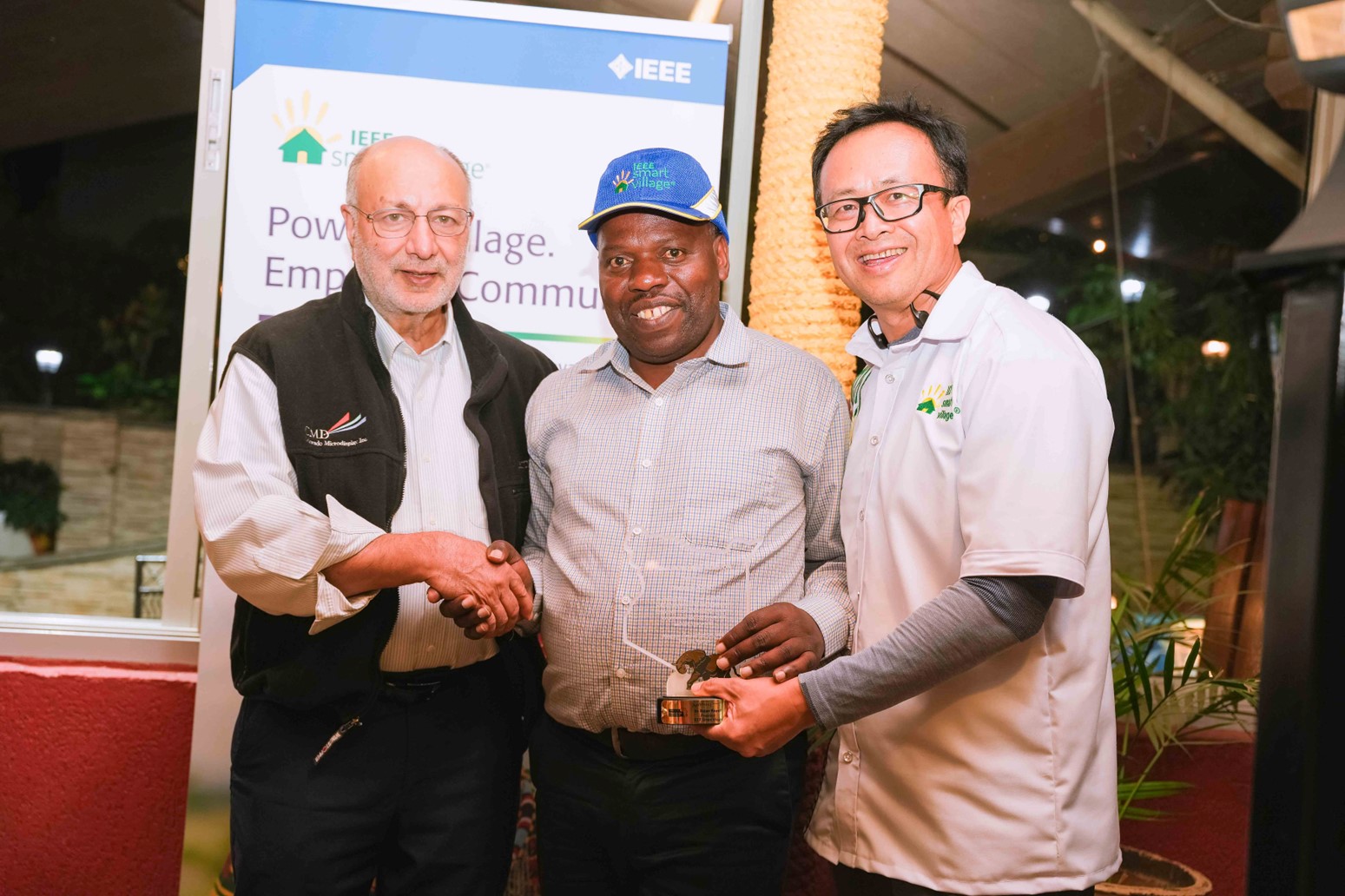
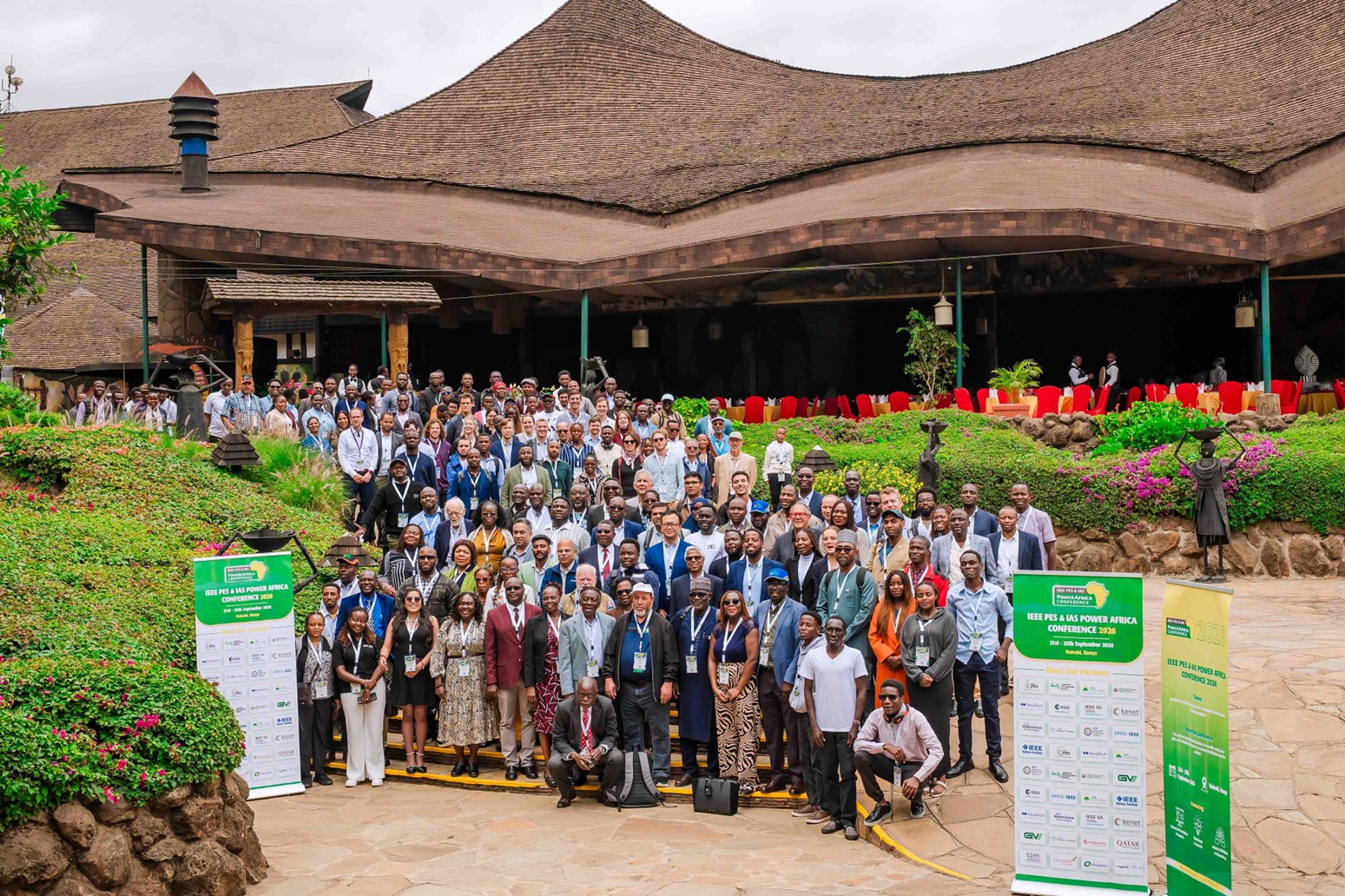
【Background】 The author of this article Yonghui Chen (Patrick) is the Vice-President of IEEE Smart Village (ISV) China Regional Committee (CRC). Patrick, on behalf of ISV CRC, visited Nairobi, Kenya, to attend the IEEE PES/IAS Power Africa Conference 2026 (PAC26) and a week of activities organized around IEEE Smart Village (ISV).
Beyond the conference sessions and project discussions, one of the most valuable parts of the trip was something more personal: it was my first opportunity to observe East Africa at close range.
For many people in China, Africa is still associated first with poverty, weak infrastructure, disease, heat, instability, and perhaps wildlife. I carried some of those assumptions myself.
But once I was actually in Nairobi—seeing the highlands, savanna, coffee-growing areas, the city, and the way ordinary people live—the picture became much more complicated.
Three impressions stayed with me. First, Africa possesses some remarkably distinctive natural advantages. Second, the development gap remains real, but the gap itself also represents enormous demand and possibility. Third, under the current renewable energy revolution, Africa may not need to reproduce every stage of the electricity-development path followed by Europe, the United States, or China over the past century. In some places, new technological opportunities may support a degree of leapfrogging in electricity access and electrification.
ISV has been participating in—and helping enable—that process. ISV Africa Regional Committee supports community transformation by working with local entrepreneurs and partners to expand sustainable electricity, education, and enterprise development. Renewable energy can power clinics, schools, farms, small businesses, water systems, communications, and digital services, creating conditions for healthier communities, stronger livelihoods, and new employment pathways.
Across Africa, the path forward depends on solutions designed with communities, led by local talent, and sustained through viable enterprises. By connecting clean energy with education and entrepreneurship, IEEE Smart Village helps unlock human potential and supports a future where African communities can thrive on their own terms.
1. Highlands at the Equator: East Africa’s Distinctive Geography
Nairobi is very close to the equator, yet it sits at an elevation of roughly 1,800 meters.
One way to imagine the climate is to take Singapore, Malaysia, or Indonesia and lift them nearly two kilometers upward. The sunlight remains relatively stable throughout the year, but altitude reduces the temperature substantially. The result is a surprisingly pleasant climate.
During my week there, I saw almost no obvious mosquitoes or flies—even around the basic facilities in Nairobi National Park. That was very different from my pre-trip mental picture of equatorial Africa as a place dominated by oppressive heat and insects.
This environment is also well suited to high-value agricultural products. Many famous tea or coffee regions around the world are located at higher elevations: Darjeeling in India, the Sri Lankan highlands, Malaysia’s Cameron Highlands, and Yunnan in China. Kenya follows a similar pattern. Much of its tea is grown at elevations of roughly 1,500 to 2,700 meters, while coffee is also concentrated in highland areas.
What impressed me even more was the scale of East Africa’s highlands.
Africa is often described as a “plateau continent.” Its terrain has a striking two-level pattern: broad lower regions in the northwest and extensive higher terrain across eastern and southern Africa. This elevated belt extends from Ethiopia through Kenya, Uganda, Rwanda, Tanzania, and farther south.
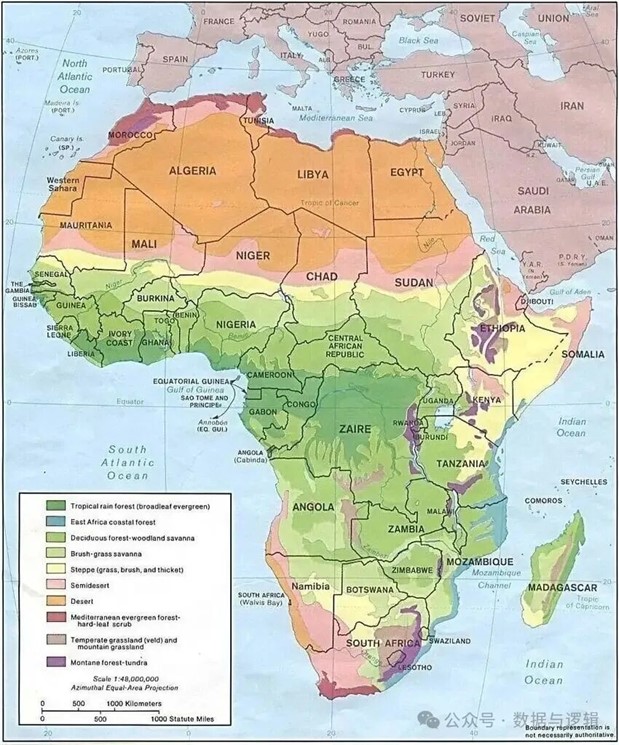
Sub-Saharan Africa covers roughly 24 million square kilometers—an area comparable to North America and about two and a half times the size of China. Its population is already in the same broad order of magnitude as China and India.
So Africa cannot simply be understood as a “hot, low-latitude continent.” Large areas of eastern and southern Africa are tropical highlands, where elevation, rainfall, soils, and terrain combine to create distinctive—and in many cases highly favorable—agricultural and ecological conditions.
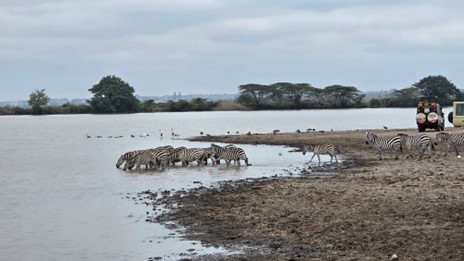
Another landscape that left a strong impression on me was the East African savanna.
Visually, parts of it reminded me of the dry-season hills I have seen while driving from San Francisco toward Yosemite: broad grasslands punctuated by individual trees. The ecological mechanisms, of course, are not identical.
East African savannas are shaped not only by rainfall limitations but by seasonal drought, fire, soils, and large herbivores. Together, these factors help maintain a system where grasses dominate, trees remain present, but continuous closed forest does not usually form.
That creates an unusually rich ecological structure. Grasslands support large populations of grazing animals. Scattered trees provide shade, fruit, nesting places, and vertical habitat. Grasses, shrubs, and trees together create a highly heterogeneous environment capable of supporting remarkable biodiversity.
In Nairobi National Park, I also noticed that hilltops often had fewer trees, while lower areas and valleys could become noticeably denser. It was a simple visual reminder of how even small changes in topography can redistribute water and quickly affect vegetation.
For me, East Africa’s most important natural advantage is not simply that it “has many resources.” It is the combination of latitude, elevation, geographic scale, and ecological diversity.
2. A Development Gap—But Also Development Potential
Natural advantages do not mean that modernization is complete.
My second strong impression of Nairobi was the unevenness of development.
Some roads were visibly worn. Sidewalks were incomplete. Potholes and roadside clutter were common. At one small industrial site we visited, the office had an indoor toilet while workers still used much more basic facilities. The apartment where I stayed had a diesel generator that started automatically during power outages.

At the same time, the apartment itself—although somewhat old and simple by the standards I am used to—had a swimming pool and a gym. Interestingly, some conference accommodation I have used in Beijing, despite being newer, did not offer either.
That contrast made me think. One explanation is obviously income inequality. A residence I consider “ordinary” may already be relatively upscale by local standards.
But there may be another dimension. Economic development does not completely determine whether people value exercise, leisure, and quality of life. People do not necessarily wait until every problem of work and basic survival has been solved before they begin pursuing health and a better daily life.
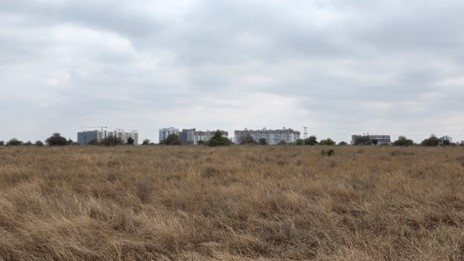
Nearby, I saw another contrast. Close to Nairobi National Park, large clusters of high-density residential buildings were under construction. Open grassland, wildlife habitat, and rapidly expanding urban development could be seen almost within the same field of view.
Urbanization requires housing. Population growth inevitably increases pressure on land. High-density housing may be necessary in many fast-growing cities, but density itself should not be the goal.
The more important question is how cities balance housing supply, transport efficiency, public services, green space, private living space, and ecological protection. This is where government responsibility becomes unavoidable: markets can build housing, but public policy must help define the conditions under which density remains livable, safe, connected, and environmentally sustainable.
Many high-density cities use minimum dwelling sizes, development-density rules, public-space requirements, and supporting infrastructure standards to set boundaries for the market. Hong Kong and Singapore, for example, both face severe land constraints and high residential density, yet they have developed significantly different approaches to housing provision, planning, and public space. These differences show that urbanization is not only a market outcome; it is also shaped by policy choices and public responsibility.
Modernization should not mean simply putting up more buildings. Even when land is scarce, ordinary people should still have access to a reasonable amount of private space, sunlight, greenery, exercise facilities, public space, and some relationship with nature. Economic development should improve not only GDP and infrastructure, but also the quality of the human environment.
At the same time, Nairobi already has a toll expressway connecting the airport and city. Uber and Bolt work efficiently. Using Glovo, I could order groceries from Carrefour and often receive them in less than an hour.
Modern shopping centers, apartment buildings, mobile payments, traditional neighborhoods, and rapidly emerging high-density housing developments coexist within the same city. To me, “uneven development” is a more accurate description than simply “backward.”
Some of what I saw reminded me of Chinese county towns several decades ago, or parts of Southeast Asia where I worked about twenty years ago. But those comparisons can only help us understand a stage of development. Kenya is not simply “China at an earlier date.” Its demographics, institutions, industry, urbanization patterns, and international environment are different.
A few conversations also made the picture more concrete.
One Ugandan university student volunteering at the conference told me that her parents have six children. Her family farms roughly 64 mu of bananas and coffee and also conducts some trade connected with China. Her parents have supported all their children through university. Her current tuition is about US$900 per semester, excluding accommodation and living expenses, yet she remains a full-time student without needing long-term student loans or continuous part-time work.
A Kenyan driver told me he earns about 40,000 Kenyan shillings per month. He and his wife both work and are raising three children. They are certainly not wealthy, but he described their situation as manageable.
These are individual stories, not national statistics. But they reminded me that per-capita GDP alone does not fully describe how people live. Family land, housing costs, informal economic activity, extended-family relationships, and lifestyle all matter.
Communication was also easy. English is widely spoken in Kenya. People were often warm and willing to talk, and many would spontaneously wish me a safe journey when we parted. Churches were also highly visible, and religion clearly has a substantial presence in everyday life.
What I found especially interesting was that curiosity worked in both directions.
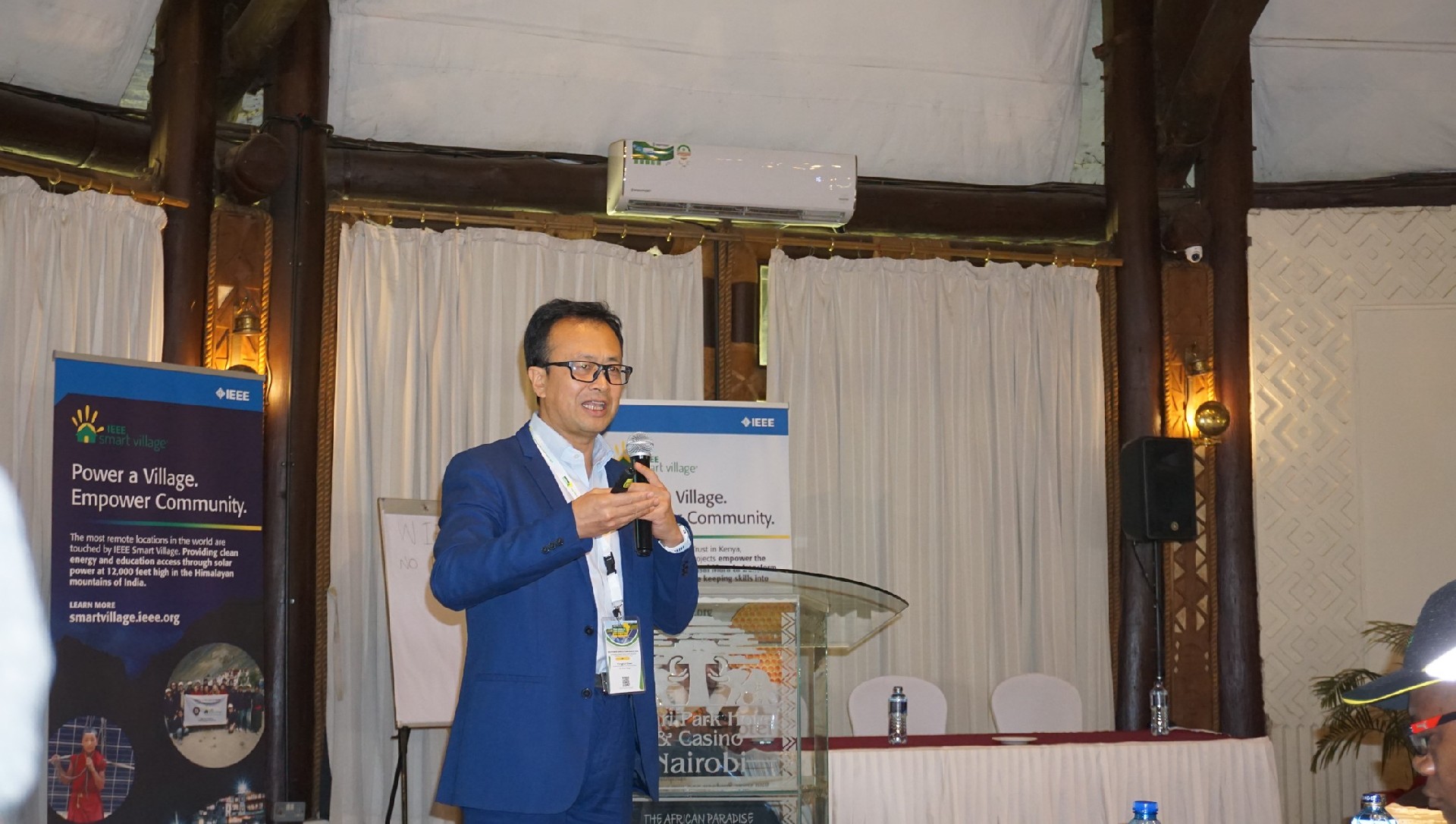
People asked whether Chinese citizens were really unable to own land. Others asked why the Chinese language was so difficult. During one of my presentations, I conducted a simple audience poll about perceptions of China.
More than half of the audience associated China with highly developed infrastructure. A much smaller share associated China with a very high quality of everyday life.
That was revealing. For many Africans, China may first appear as a country of engineering, manufacturing, railways, highways, electricity, and infrastructure capacity—rather than primarily as a high-consumption, high-welfare, evenly developed society.
And from what I saw on the streets, China’s presence in Africa was also far from the image of being “everywhere.” Japanese passenger vehicles were still very common. Caterpillar and Komatsu machinery were easy to see. I had heard about the arrival of Chinese electric vehicles, but during my limited observation, I hardly saw them.
“China–Africa relations are close” and “Chinese products dominate African markets” are two very different statements. Africa remains a highly competitive market for companies from many countries.
3. Another Path for Electrification
If we focus only on the infrastructure gap, it is easy to imagine Africa’s future as a simple replay of China’s development: build roads, build large power plants, extend national grids, and industrialize step by step.
After PAC26, I am less convinced that electrification and electricity development will follow exactly that sequence everywhere.
China offers a useful comparison.
By 2025, electricity accounted for about 29.5% of China’s final energy consumption, making electricity the country’s largest final-energy carrier. China’s challenge today is increasingly not simply whether electricity exists or whether basic electrification has been achieved. The questions are about renewable penetration, grid flexibility, storage, digitalization, market mechanisms, and how to optimize an already extensive energy system.
Sub-Saharan Africa faces a very different situation.
In 2024, only around 55% of the population had access to electricity, while more than 560 million people still lacked it. Kenya performs considerably better than the regional average, with electricity access of roughly 77%. This means that electricity access and electrification remain basic development questions across much of Sub-Saharan Africa, even as some national power systems are becoming increasingly renewable.
At the same time, Kenya has another remarkable characteristic: it is not a coal-heavy system waiting to become green sometime in the future. By 2024, around 91% of its electricity generation came from renewable sources, led by geothermal and hydropower, with wind playing an important role and solar continuing to expand.
That creates an interesting paradox: a country can already have a very green generation mix while still having large numbers of people without reliable electricity service.
So the next challenge is not simply how many large power plants to build. It is how to deliver reliable and affordable electricity to the last mile—and how to turn electricity into productive capacity for agricultural processing, cold chains, water supply, telecommunications, education, and small businesses.
The renewable energy revolution changes the economics of that problem and creates a technological opportunity that did not exist during earlier waves of electrification.
Traditional electricity systems often developed through large centralized power plants, high-voltage transmission lines, substations, and extensive distribution networks. That model works extremely well in areas with dense populations, concentrated industrial loads, and mature urban systems.
But solar PV, battery storage, power electronics, smart metering, and digital payments create another possibility: electrification can, in some settings, begin locally and expand in modules rather than waiting for every element of a centralized system to arrive first.
Solar can begin at tens or hundreds of kilowatts. Storage can expand as demand grows. A microgrid can first serve a village, school, small factory, or agricultural-processing center without waiting for the national grid to arrive from dozens of kilometers away.
This does not mean that microgrids are inherently superior to large grids. In dense urban areas and industrial regions, national grids retain enormous economies of scale.
But for dispersed populations, low initial loads, and communities far from existing transmission and distribution infrastructure, distributed renewable systems can be faster, more flexible, and sometimes less expensive.
The analogy that comes to mind is telecommunications. Many developing countries did not wait for fixed-line telephones to become universal before moving into mobile communications. Many consumers did not pass through a long era of widespread credit-card use before adopting mobile payments.
Could electricity development experience something similar? For at least some rural and remote regions, technology leapfrogging in electricity access is a possibility worth taking seriously—not as a replacement for national grids, but as another path toward electrification.
4. IEEE Smart Village: Empowerment and Value Creation
It was against this background that I came to understand IEEE Smart Village more clearly.
It is easy to imagine a program like ISV as a conventional charity effort: technically trained people arrive in an underserved community and install solar panels or a microgrid. That description is incomplete.
To me, three aspects of the ISV model stand out.
Technology. IEEE has a deep global network of professionals in power systems, electronics, communications, control, and related fields. ISV can provide technical review, microgrid design support, system optimization, operations and maintenance training, and knowledge sharing across projects. Education is also embedded in this process.
Entrepreneurship. The second core element is empowering local entrepreneurs.
ISV itself describes its model around three pillars: Energy, Education, and Entrepreneurship. The objective is not to provide equipment indefinitely for free. Instead, selected local teams can receive seed funding, technical support, and business mentoring so that they can build electricity and productive-use enterprises capable of operating over the long term.
I find this approach to risk particularly interesting. New businesses can fail. The people most willing to accept that uncertainty—and those who usually understand customers and communities best—are local entrepreneurs.
ISV does not replace them. It uses early-stage funding, IEEE technical capacity, education, and global networks to share some of the hardest risks at the beginning. In other words, it empowers some of the most active people in a community and allows them to create value for the broader society.
Long-term engagement and scalability. The third characteristic is the willingness to stay involved long enough for successful models to grow. Scalability matters because a sustainable solution must be able to move beyond a single demonstration project without becoming permanently dependent on external support.
A one-week international conference does not transform a village. What matters is what happens over years.
ISV can begin with seed funding and early technical support, accompany entrepreneurs as their businesses mature, and—when a model works—help create conditions for replication from one village and one microgrid to dozens or even hundreds of communities.
One example presented at PAC26 left a particularly strong impression on me.
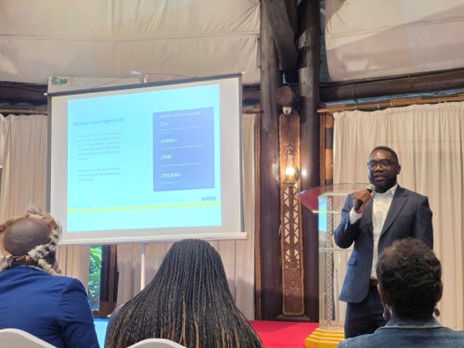
ISV first supported two Nigerian entrepreneurs, Ifeanyi Orajaka and Henry Ureh, in 2012 and 2016 respectively. More than a decade later, their companies have grown to the point where they can participate in solar microgrid projects worth more than US$100 million.
According to information presented by ISV, their latest projects involve 109 microgrids, approximately 230,000 households and businesses, and total investment of about US$119 million. These projects are expected to help bring the population served by ISV-supported entrepreneurs to more than four million people.
That is where the title of this article comes from.
The most important measure of success may not be how many power stations IEEE itself has built. It may be that young local entrepreneurs who received early support ten or fifteen years ago have grown into business leaders capable of independently attracting major international financing and developing hundreds of microgrids.
From this perspective, ISV is not trying to substitute for local development. Nor is its objective commercial profit for IEEE itself. It connects capital, technology, education, and global networks with local entrepreneurs so that they can build their own enterprises—and ultimately acquire the capacity to finance and expand independently. This is empowerment not as a slogan, but as a practical process of capability building and value creation.
To me, this is one of the most practical expressions of IEEE’s mission of “Advancing Technology for Humanity.” Technology ultimately has to be translated into human capability and opportunity.
5. The Development Gap May Also Be the Space for Technology Leapfrogging
A few days in Nairobi are obviously not enough to understand Kenya, much less Africa as a whole.
But the trip changed some of my assumptions.
East Africa is not simply a region of harsh natural conditions. It contains vast highlands, a pleasant climate in many areas, valuable agricultural conditions, and one of the world’s great savanna ecosystems.
Its major development gaps today are more visible in electricity access, electrification, transport, manufacturing, urban public infrastructure, and the completeness of the modern industrial system.
But viewed from another perspective, a gap is also unmet demand—and therefore potential.
More importantly, Africa today is not facing the same technological environment that China faced in the 1980s.
Solar power has become highly modular. Battery costs have fallen dramatically. Telecommunications networks are widespread. Mobile payment systems already exist. Digital control and smart-grid technologies continue to advance. Together, these changes create technological opportunities that were unavailable to countries industrializing several decades ago.
Africa therefore does not necessarily need to reproduce, step by step, the entire electricity-development path built over more than a century in Europe, the United States, and China.
Large national grids will continue to expand. Large power plants will remain important. Urbanization and industrialization will not disappear.
But at the same time, tens of thousands of solar systems, microgrids, batteries, agricultural-processing loads, and local energy businesses can also grow from the bottom up. Eventually, the two systems may connect.
That may be one of the most important implications of the renewable energy revolution for Africa. It does not simply mean replacing coal with solar. It may also change the way a society acquires electricity infrastructure in the first place—and therefore how electrification can proceed.
And what IEEE Smart Village is trying to do is connect technology, capital, and local entrepreneurs within that transformation.
Start with one village. One microgrid. One entrepreneur. Then create businesses and industries capable of financing and expanding themselves.
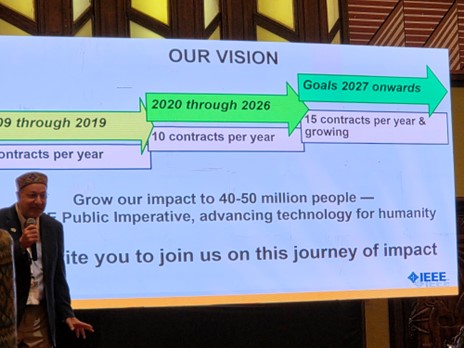
At PAC26, ISV also presented an ambition to increase its annual project activity from 2027 onward and eventually expand its impact to tens of millions of people.
That will not be easy. But the fact that entrepreneurs supported more than a decade ago can now participate in projects worth over US$100 million suggests something important: sustainable development is not about continually sending resources into a community. It is about helping local people build the capacity to create value, attract capital, and grow on their own.
6. A Final Reflection: Preconceptions, Reassessment, and Plato’s Cave
This trip also made me recognize how many preconceptions about Africa I had carried with me. In that sense, the journey became an exercise in reassessment as much as a professional visit.
Before arriving, the images that came most readily to mind were wildlife, poverty, disease, underdevelopment, instability, and population pressure—as if those labels were sufficient to describe an entire continent.
Once I arrived, I saw highlands, cities, industries, ordinary family life, entrepreneurs, students, and technological change. Reality was much more complicated.
The irony is that my own audience poll at PAC26 suggested that the reverse may also be true. Africans may also have incomplete images of China.
China is often understood through its infrastructure, engineering capability, manufacturing, railways, roads, and electricity systems. But there may be much less understanding of China’s internal differences, pressures, lifestyles, and unevenness.
Perhaps this is a common human condition.
The world continues to change, while our mental models are often built from limited experience and inherited impressions. We see others incompletely. Others see us incompletely. If our understanding of the present is already limited, predicting the future is even harder.
In a sense, we continue to live in something like Plato’s cave, trying to understand a complex world through limited information and partial shadows.
But precisely because the future is difficult to predict, certain principles may be more durable than our forecasts: give people access to knowledge, technology, electricity, and meaningful choices; enable local people to create value themselves; recognize the role of government responsibility where public rules and infrastructure matter; and build projects that can continue operating and growing after external support is withdrawn.
That is how I now understand the value of IEEE Smart Village. It does not try to decide someone else’s development path for them. It uses technology, education, capital, and entrepreneurship to empower local entrepreneurs, strengthen electrification, and build capabilities that can continue to grow and create value for society.
The world will continue to change, and many of our judgments will need to be revised. But empowering human capability, expanding reliable electricity access, supporting sustainable development, and focusing on value creation may be among the choices most likely to stand the test of time.
撰稿Writer: 陈永辉 Patrick Chen
编辑Editor: 方鲁睿 Lurui Fang
排版Typesetting: 李宗翰 Zong Han Li
审核Reviewer: 孔维政 Weizheng Kong
审批Final Review:张晓枫Xiaofeng Zhang
图源Image source:不可商用 Non-commercial use only
From One Village to Four Million People: IEEE Smar···...
从一个村庄到四百万人——IEEE Smart Village的非洲电力赋能之路【背景介绍】作者陈永辉···...
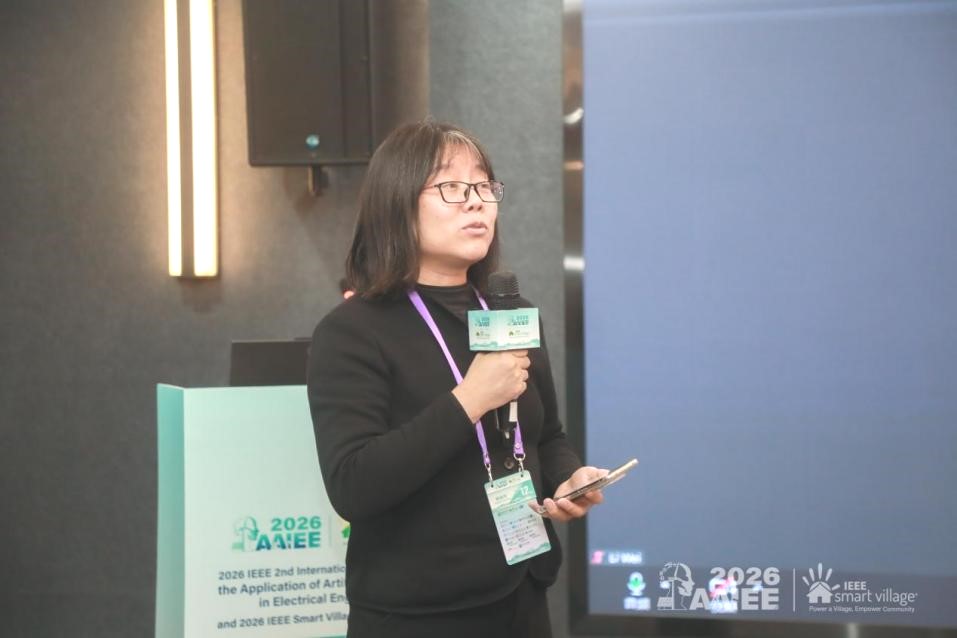
分论坛回顾:“智能乡村配电网与可再生能源” || 2026 IEEE 中国智慧乡村论坛作为2026年···...

2026给大山孩子优质课堂 | 第三堂 走进人工智能:趣味实验与生活应用2026“给大山孩子优质课堂···...


